










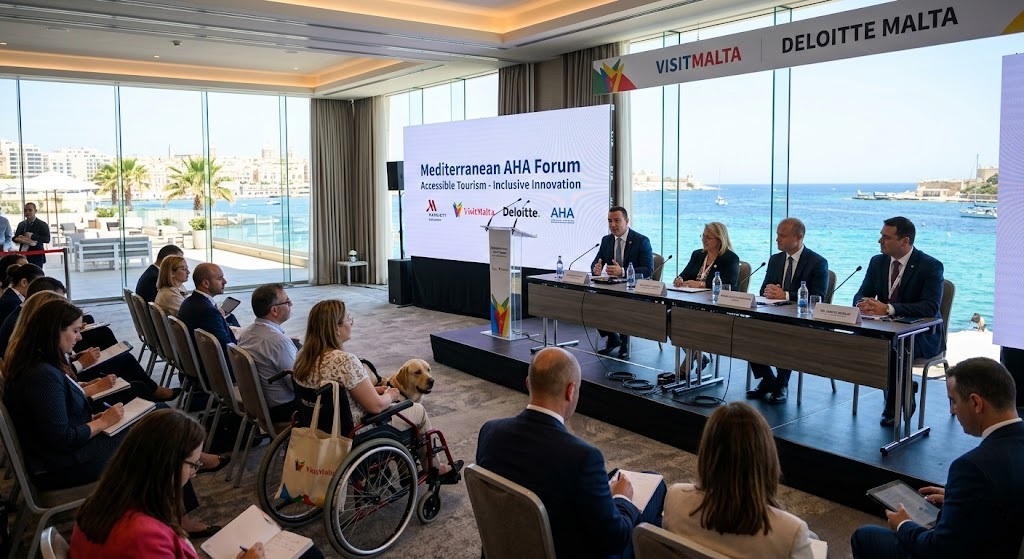
Malta’s focus on accessibility is also becoming a competitiveness factor in a crowded Mediterranean market. As more travelers seek destinations that are genuinely welcoming to older adults, people with disabilities, and multi‑generational families, Malta’s proactive upgrades give it a distinct edge over neighbors that still treat accessibility as an afterthought. The island is pairing physical improvements with better training for hotel staff, tour guides, and transport operators, so that courteous, informed service becomes part of the “accessible” experience. Over time, this can help Malta attract repeat visitors, inclusive‑travel‑focused tour operators, and specialized events such as conferences and incentive groups that prioritize barrier‑free environments.
Malta is emerging as a Mediterranean leader in accessible tourism, using its small‑island scale and tourism‑driven economy to pioneer inclusive travel. The island is hosting the first Mediterranean Accessible Hospitality Alliance (AHA) Forum on 18 March 2026 at the Malta Marriott Resort & Spa in St Julian’s, bringing together government officials, tourism leaders, disability advocates, and hospitality innovators to shape common standards for accessible design, services, and employment in travel. Rather than treating accessibility as a last‑minute add‑on, Malta is framing it as a core element of how the region wants to welcome all visitors, especially those with mobility, sensory, or cognitive needs.
Across Malta and Gozo, airports, major hotels, museums, and historic forts have been retrofitted with ramps, lifts, tactile guides, audio cues, and simplified signage to improve navigation. Blue Flag beaches now offer floating wheelchairs, accessible walkways, and shaded resting areas so people with physical disabilities can safely reach the water and enjoy the Mediterranean coast. These changes go beyond compliance, aiming to create a seamless and dignified experience where families, seniors, and travelers with disabilities can participate fully in cultural, religious, and leisure activities without constant barriers.
Key Points
- Malta is hosting the first Mediterranean AHA Forum on accessible hospitality, positioning the island as a regional leader in inclusive travel.
- The country has upgraded airports, hotels, museums, churches, and beaches with ramps, lifts, tactile guides, and floating wheelchairs for better access.
- About 10% of Malta’s population lives with some form of disability, underlining the social and economic case for universal accessibility in tourism.
Bottom Line: Malta is turning accessible tourism from a niche commitment into a strategic brand pillar, using the Mediterranean AHA Forum to set a new standard for how the region designs its infrastructure, services, and experiences so that everyone—not just a select few—can travel with confidence and comfort.




More Stories
London Tourism Rises in September 2026
Illinois Tourism Hits Record Highs with 100M+ Visitors and $88B Impact in 2025
UK Travellers Face Europe Border Chaos