










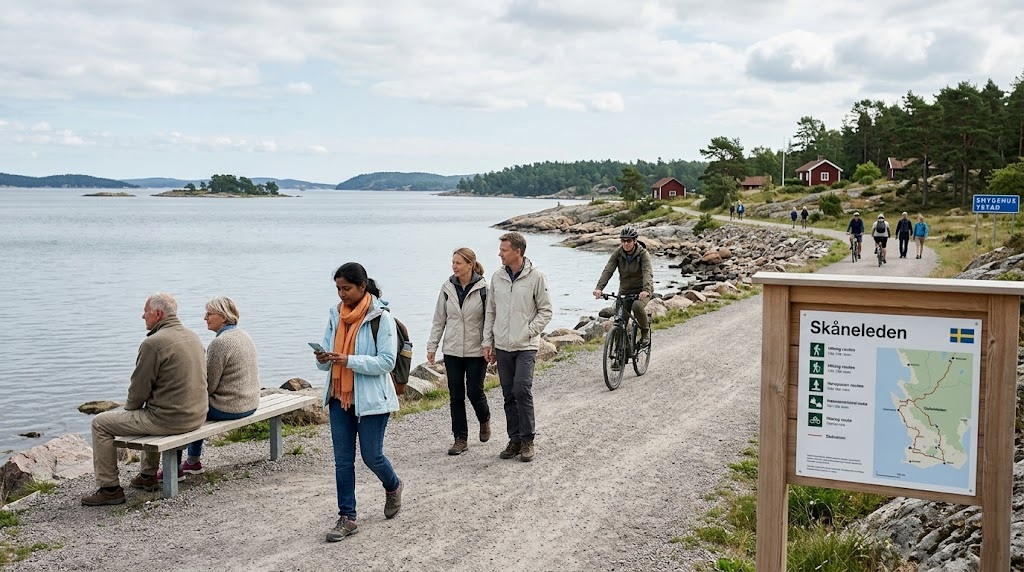
Coastal and mountain tourism in Europe are already feeling the physical and economic impact of climate change, as rising temperatures, sea‑level rise, and more frequent extreme weather events reshape destination appeal and safety.
Speaking at ITB Berlin in March 2026, EU Tourism Commissioner Apostolos Tzitzikostas warned that climate change is no longer a “background” environmental issue but a direct problem for Europe’s travel industry, with seaside resorts and ski regions among the most exposed. Scientific modelling confirms that southern coastal areas—from the Mediterranean to parts of the Atlantic—could see significant declines in summer demand as heat becomes intolerable, while northern coasts may gain short‑term popularity during milder summers that push travelers away from overheated southern beaches.
In coastal destinations, the threats include beach erosion, stronger storms, flooding of low‑lying resorts, and the degradation of marine ecosystems such as coral reefs and seagrass beds that underpin snorkelling, diving, and other marine‑based experiences. The EU Blue Economy Report notes that rising sea levels and increased storm intensity threaten hotel, restaurant, and marina infrastructure, while the loss of attractive physical and natural assets can drive tourists to alternative regions or different types of holidays altogether.
At the same time, in mountain tourism, warmer winters and receding snowpacks are shortening the ski season at lower‑altitude resorts, raising operating costs for人工 snowmaking and, in some cases, calling into question the long‑term viability of smaller ski areas that cannot afford large‑scale technological adaptation.
Across the continent, the tourism sector is responding with a mix of adaptation and diversification: coastal towns are investing in climate‑resilient infrastructure and “shoulder‑season” campaigns, while mountain resorts are expanding summer activities such as hiking, biking, and wellness‑focused stays to offset shrinking winter revenues.
The European Commission and intergovernmental bodies are also pushing for low‑carbon mobility, energy‑efficient hotels, and regenerative‑tourism models that recast destinations as climate‑resilient experiences rather than short‑term amenities. In essence, 2026 is emerging as a turning point where coastal and mountain tourism in Europe cannot be planned as purely “business‑as‑usual”; instead, it must be embedded in climate‑adaptation strategies that anticipate hotter summers, unpredictable winters, and shifting visitor preferences across the region.
Key Points
-
EU tourism leaders warn that climate change is already damaging coastal and mountain holiday destinations, affecting safety, reliability, and long‑term demand.
-
Southern European coasts face risks from heatwaves, sea‑level rise, and infrastructure loss, while northern coasts may temporarily gain more visitors during milder summers.
-
Mountain resorts contend with shorter ski seasons, rising snowmaking costs, and the need to diversify into year‑round, climate‑resilient tourism products.
Bottom Line: For European coastal and mountain tourism, climate change is no longer a future threat but a present‑day operational reality, forcing destinations to adapt infrastructure, redistribute seasonal demand, and embed climate resilience into the core of their tourism strategies.



More Stories
India Tiger Reserves Phone Ban 2026 Wildlife Priority
US Airlines Oil Crisis 2026: Fares Jump 10
Montreal Travel Tech Gems 2026: #2 Global Hub