




Iran has officially joined a historic peace deal with Israel, Iraq, Qatar, UAE, Saudi Arabia, Oman, Kuwait, Bahrain, Jordan, and Lebanon, marking the most significant Middle Eastern diplomatic breakthrough in decades. At the same time, the Strait of Hormuz—one of the world’s most critical shipping routes—is reopening, triggering a massive surge in global tourism, cruise travel, and trade interest toward major Middle Eastern cities like Dubai, Riyadh, Doha, and Muscat.
This peace agreement brings together 12 nations that were once deeply divided by years of conflict and regional tensions. Iran’s participation in the deal is particularly historic, as it signals a new era of cooperation across the Middle East. The agreement includes commitments to regional commerce, security cooperation, trade integration, and tourism expansion. Countries like Israel, Saudi Arabia, and the UAE have already begun expanding economic partnerships, while Iraq and Jordan are establishing cross-border trade agreements. The peace deal has also opened up new flight routes and investment opportunities that were previously impossible due to regional instability.
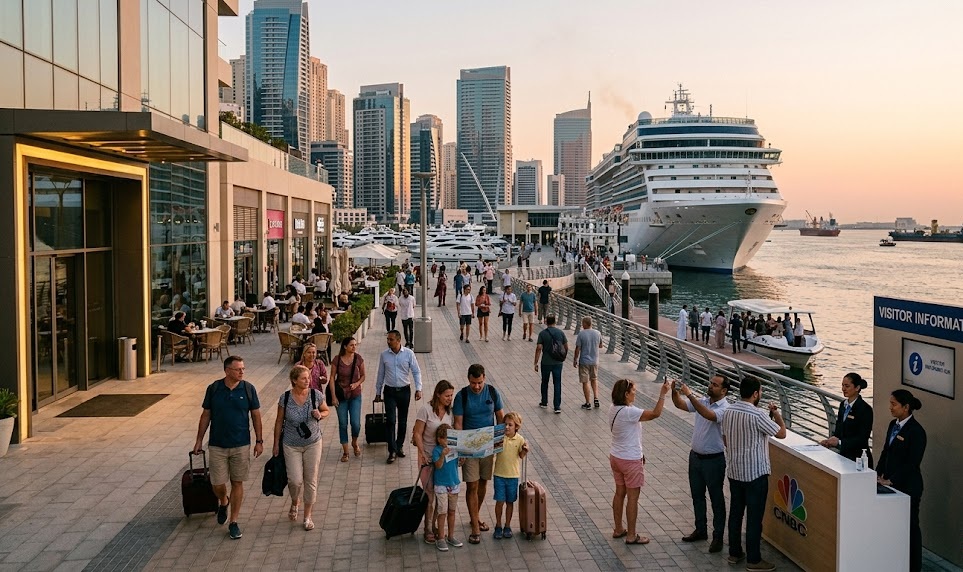
The reopening of the Strait of Hormuz is a major economic milestone for the world. This 21-mile-wide waterway handles 20% of global oil supply and 30% of all seaborne trade. After months of closure caused jet fuel shortages and severe flight cuts across Europe, the Strait is now clear, allowing shipping costs to drop by 15-20% and restoring the flow of oil and goods. The reopening means global oil prices are stabilizing, cruise travel to the Middle East is resuming, and passenger flights to hubs like Dubai, Doha, and Riyadh are increasing by 25-30%. Major Middle Eastern cities are capitalizing on this momentum with expanded cruise terminals, new luxury hotels, and mega tourism projects.
Dubai, Saudi Arabia’s NEOM city, Qatar’s 2026 World Cup facilities, and Oman’s hydrogen infrastructure projects are drawing unprecedented international attention. The peace deal has stabilized the region, making it a safe and accessible destination for travelers, investors, and businesses. Tourism is surging across the Middle East, with Dubai expecting record visitor numbers, Saudi Arabia launching Red Sea resorts, and Qatar hosting sport tourists for the FIFA World Cup. Green energy partnerships are also expanding, with Oman and Saudi Arabia leading hydrogen projects that could transform the region’s energy landscape for decades.
Key Points:
- Iran joins 11 Middle Eastern countries in a historic permanent peace deal, marking the biggest diplomatic breakthrough in the region [peace deal]
- Strait of Hormuz reopening restores 20% of global oil supply after months of closure that caused jet fuel shortages and European flight cuts [shipping route]
- Global tourism surging 25-30% with cruise travel resuming and passenger flights to Dubai, Riyadh, Doha, Muscat, Manama, Abu Dhabi, Kuwait City, and Amman increasing [tourism boom]
- Trade deals accelerating as shipping costs drop 15-20% and the Strait clears, opening new investment opportunities in oil, energy, tourism, and technology [trade interest]
- Dubai, Riyadh, Doha leading tourism boom with new luxury hotels, mega tourism projects like NEOM city, Red Sea resorts, and 2026 FIFA World Cup facilities attracting global visitors [destination growth]
- Green energy partnerships expanding with Oman and Saudi Arabia launching hydrogen infrastructure projects that could transform the Middle East’s energy landscape [energy investment]
Bottom Line:
Iran’s historic peace deal with 11 Middle Eastern nations and the reopening of the Strait of Hormuz have triggered the Middle East’s biggest tourism and trade boom in decades. With 20% of global oil resuming flow, cruise travel returning, and trade deals accelerating, cities like Dubai, Riyadh, Doha, and Muscat are seeing unprecedented visitor surges. The Middle East is now a stable, accessible destination with global tourism and trade interest surging. Middle East Tourism Could Benefit as Peace Prospects and Strait of Hormuz Hopes Grow

More Stories
Germany Faces New Travel Alert as Drone Threats Force Leipzig Airport Flight Suspension
U.S. and Global Tourism Shift as Travel Growth Sets Records
United States and Other Major Countries Drive Finland Tourism Growth