










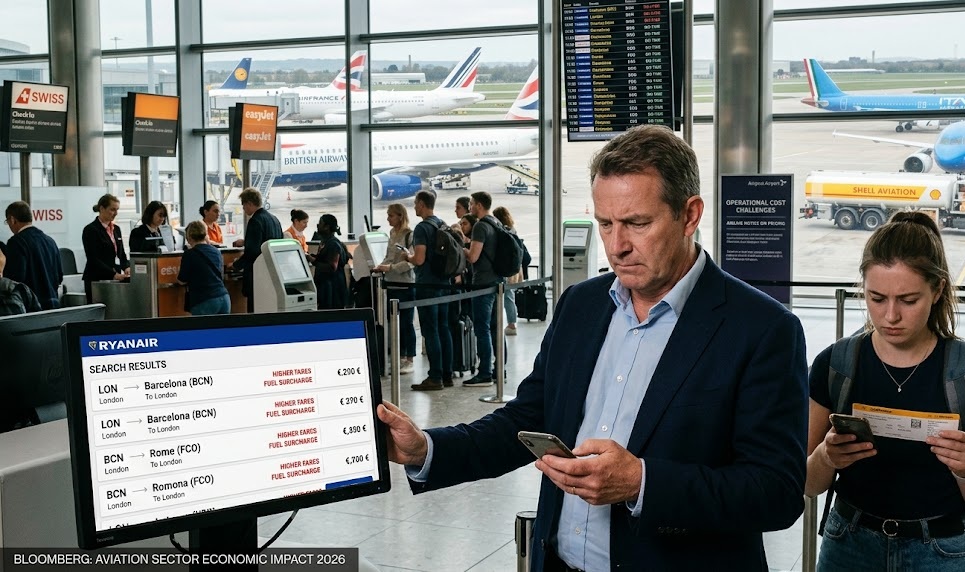
European airlines are bracing for significant fare increases as jet fuel costs have more than doubled since the Iran conflict began in February 2026, with prices surging from €68 per barrel to over €150 in just weeks. Major carriers including Lufthansa, Air France-KLM, British Airways, and easyJet have already announced fare hikes of 15–20%, with some routes seeing increases of nearly £100 (€120) on round-trip tickets.
The Fuel Crisis Driving Fare Hikes
The surge in jet fuel prices is directly linked to the ongoing conflict in the Middle East and Iran’s blockade of the Strait of Hormuz, which disrupts global oil exports and has pushed Brent crude above $100 per barrel. Jet fuel in Europe has reached a record $1,904 per tonne in early April—more than double pre-crisis levels—forcing airlines to pass costs directly to passengers.
According to IATA, airlines globally will face an extra $100 billion in jet fuel expenses this year alone, with European carriers particularly vulnerable since they rely on imports for about one-third of their fuel, mostly from the Middle East. IATA Director General Willie Walsh warned that “high oil prices will inevitably mean higher ticket prices. There’s just no way to avoid that.”
Airlines Cut Flights and Raise Prices
European carriers are taking aggressive measures to cope:
- Lufthansa and Air France-KLM have adjusted schedules and prepared fare hikes, with long-haul round trips increasing by €129 (£112) on average.
- Two major European airlines have already raised fares twice, totaling nearly £100 on some routes, with economy round trips rising by €50 and long-haul routes by an additional €50.
- Airlines are cutting uneconomic routes and introducing fuel surcharges, with analysts estimating an average €88 per passenger increase on long-haul flights.
- Air India and Air New Zealand have also declared plans to reduce flight schedules and raise ticket prices in response to the same fuel crisis.
Impact on Travelers and Industry Profits
Passengers are facing markedly higher fares since the conflict began:
- €29 increase on average for flights within Europe
- €129 increase on transatlantic routes (U.S., Mexico, Canada)
- 15–30% fare hikes expected for summer 2026 travel, with budget airlines raising base prices and fees across the board.
IATA projects that the global airline industry’s profits will drop by half to only $23 billion in 2026 due to fuel costs rising by 70%, with long-haul and business travelers likely to bear the brunt of fare hikes.
Key Points
- Jet fuel prices in Europe have more than doubled, rising from €68 per barrel to over €150, with a record $1,904 per tonne in early April.
- European airlines face an extra $100 billion in jet fuel costs this year, with fares rising 15–20% and some routes seeing increases of nearly £100.
- Carriers are cutting uneconomic routes, adding fuel surcharges, and warning that long-haul and business travelers will pay the most.
- Industry profits are expected to drop by half to $23 billion as fuel costs rise 70%, with no relief in sight.
Bottom Line: Europe’s aviation sector is in a fuel crisis that’s forcing airlines to slash flights, hike fares by up to 30%, and pass on record-breaking costs to passengers—with no end in sight as the Iran conflict continues to disrupt global oil supplies and reshape the economics of air travel.



More Stories
HVS: U.S. Hotel RevPAR Up Over 10% Mid-September as Nearly 1,000 Hotels Sold in H1 2026
Hyatt’s Luxury Push Across the Americas Centers on Mexico Park Hyatt Trio and Unbound Growth
Belgians Could Get Faster US Airport Entry By End Of 2026