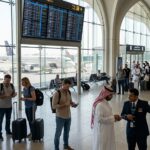




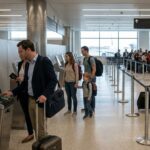







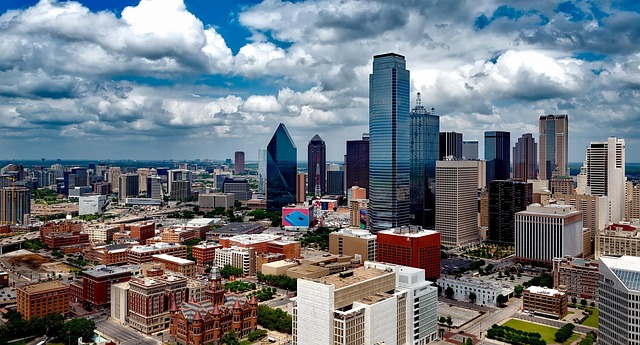
Dallas-Fort Worth International, the country’s second-busiest airport by movements, has laid out a long-term expansion plan — additional capacity that will reshape demand math for one of America’s most important regional hotel markets.
Published: November 13, 2026 | Airports & Infrastructure
The News
Dallas/Fort Worth International Airport has laid out an expansion plan signaling additional terminal, gate and passenger-capacity growth for the Dallas-Fort Worth metroplex’s dominant aviation hub — the latest in a series of long-term infrastructure commitments in one of America’s fastest-growing regional economies.
DFW’s case for expansion reflects a demand math few airports match: two of the country’s fastest-growing cities in its coverage area; headquarters concentration (American Airlines’ hub and one of the country’s largest corporate relocation destinations); and the FedEx, logistics and advanced-manufacturing economy feeding Dallas-Fort Worth’s business-travel demand. The metroplex’s leisure base — Southfork, NRG stadium events, the State Fair, Texas-music and sports travel — adds a second demand layer that major hub airports rarely match.
Every DFW capacity expansion historically reshuffles the regional hotel market’s demand geography:
Airport-adjacent hotel markets see direct expansion effects. The area around the airport (Irving, Grapevine, Coppell, Las Colinas) runs one of the country’s most productive airport-hotel clusters — corporate, group and convention demand feed a corridor in which the Gaylord Texan, the Hyatt Regency DFW and the airport’s own in-terminal hotel are landmark properties. Gate expansion extends the corridor’s demand reach.
Metroplex-wide meeting/conference demand gets lifted. Convention-center properties in Dallas itself, Fort Worth’s convention market and suburban conference hotels all benefit from the access capacity that a larger DFW supports. Group RFP competition across the metroplex typically strengthens following each major airport-investment announcement because planners gain confidence in delegate access.
Sun-Belt corporate-visit demand adds a second layer. Dallas-Fort Worth has been the country’s most successful corporate-relocation market over the past decade, and travelers visiting relocated headquarters drive corporate room-night demand that DFW expansion indirectly supports.
What it means for hotel and travel businesses
For hotel developers in the metroplex: Each confirmed DFW expansion historically precedes a local hotel-development cycle. Developers land-banking around the airport corridor should move before competitive announcements compress available sites; expect lender appetite to strengthen in the affected submarkets as construction feasibility improves with documented airport growth.
For existing airport-corridor hotels: Expansion announcements support forward-rate confidence for corporate and group segments. Revenue-management teams should hold rate integrity rather than discounting — the announcement supports the argument to corporate buyers that demand is durable.
For metroplex meeting planners: More airport capacity means more confident delegate-access planning. Planners locking 2027-2029 citywide conventions should negotiate venue and hotel contracts with the airport’s expansion timeline in mind — convention-bid economics improve with documented hub capacity.
For investors: DFW’s project list is a required input to any Sun Belt hospitality acquisition thesis. Underwriting should treat airport capacity as a demand catalyst with multi-year visibility rather than a construction press-release.
Key numbers
- Airport: Dallas/Fort Worth International (DFW) — second-busiest U.S. airport by movements
- Announcement: long-term expansion plan (additional gates/terminal capacity)
- Demand anchors: corporate relocation growth, American Airlines hub, logistics economy, leisure/events demand
- Hotel geography affected: DFW airport corridor, Las Colinas, Grapevine, downtown Dallas and Fort Worth group markets



More Stories
Delta CEO Addresses Starlink WiFi Controversy
TSA Working on PreCheck Improvements Ahead of Peak Travel Season
Alaska Air Group to Lay Off Approximately 200 Employees