











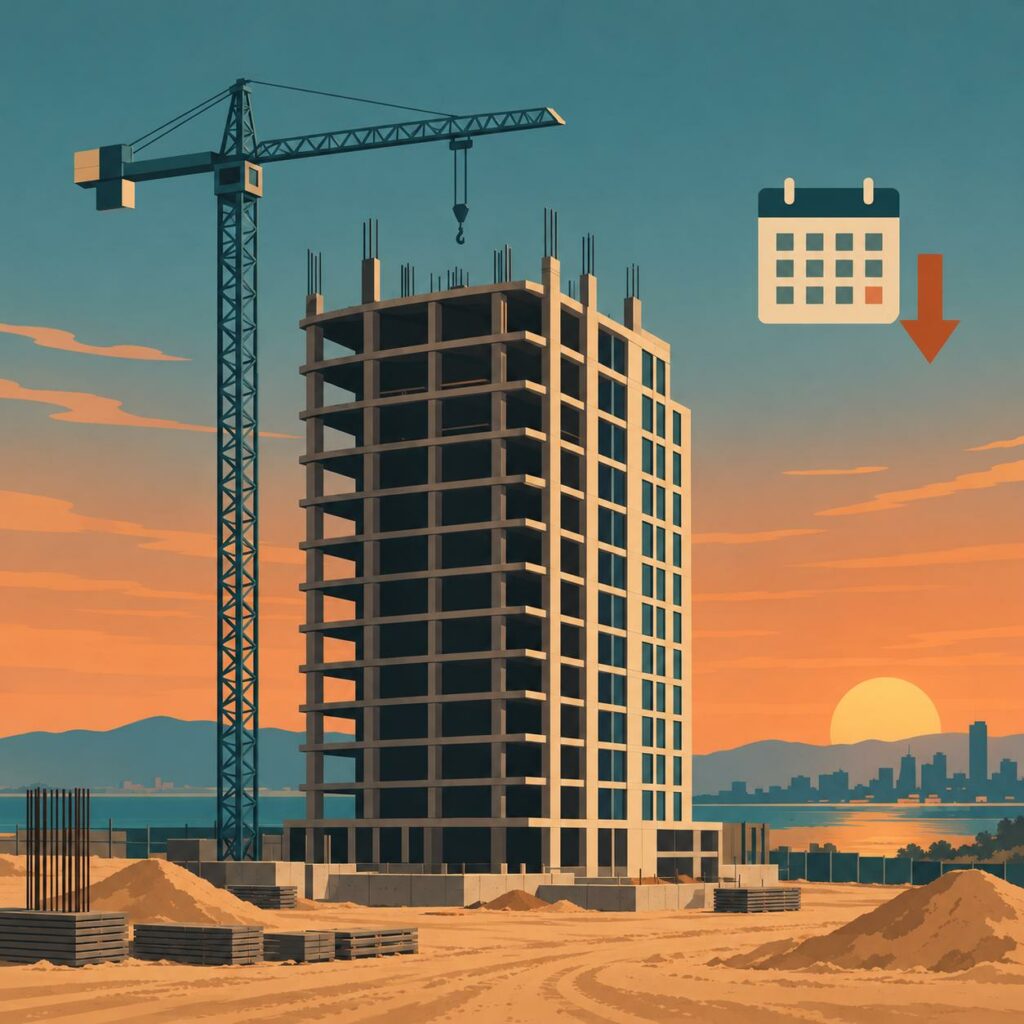
Several major hotel companies have lowered their room growth forecasts. They point to construction delays and to hotels leaving the system.
Two pressures at once
New hotels are slower to open. Financing is harder to get, labor and materials cost more, and projects wait longer for permits and loans. At the same time, some existing hotels leave a brand, either because of renovation demands, ownership changes or a better offer elsewhere. Fewer rooms coming in and more going out means slower net growth.
Conversions keep filling the gap
When ground-up building is difficult, brands lean on conversions and franchising. Taking an existing hotel into a system is faster and needs less capital. That is why soft brands and conversion-friendly offers have grown. They protect the growth story when new construction cannot.
Why slower supply can help existing owners
Tight supply supports rates. If few new hotels open in a market, existing hotels face less new competition for the same guests. Owners with well-kept assets can hold or raise rates, provided demand stays steady.
What to do with this
- Check your local pipeline. The number of rooms planned and under construction in your submarket tells you more than national headlines.
- Protect your flag. If brands are short of growth, they may work harder to keep existing hotels. Use that in franchise talks.
- Invest where it counts. In a market with little new supply, a renovated hotel can win share from tired competitors.
How slower new supply plays out depends on the market. Tourism and corporate hubs with limited land are likely to feel it most.
How forecasts connect to real decisions
A room growth forecast is a company’s estimate of how many rooms will join its system over the next year or more. It matters because it shapes investor expectations, franchise sales priorities and the plans of owners deciding whether to build. When several companies lower forecasts at the same time, it is a sign that the cause is not a single company’s problem. It is a feature of the market.
Why projects stall
Projects stall for reasons that stack on one another. Lenders ask for more equity. Higher costs for construction and furnishings push budgets above what returns can support. Approvals take longer. A project that was viable on paper at the start can fail to clear the bar by the time it is ready to start. Many are paused, redesigned or dropped.
On the exit side, hotels leave a system when owners decide the cost of staying is higher than the benefit. Renovation requirements are often the trigger. An owner who faces a large property improvement plan may choose a different brand, go independent or sell.
What brands are likely to do
- Push conversions harder. Offer lighter requirements, faster onboarding and financial incentives.
- Launch or promote soft brands. These suit existing hotels with a local identity.
- Improve retention. Work with owners on renovation scope, timing and fees to keep hotels from leaving.
- Look at new segments. Extended stay, midscale and economy are often easier to build than upper-tier full service.
What this means for lenders and investors
Slower supply supports existing assets, which is good for those holding them. It also makes new development more selective. Projects that do break ground tend to be in strong markets with clear demand. Lenders will look for experienced developers, realistic costs and brand partners that can fill rooms from day one.
A practical framework for owners
Think of the market in three timeframes. In the near term, the rooms already under construction will open, so your next twelve months are set. In the middle term, projects that are planned but not yet financed are the ones most likely to be delayed or cancelled, which gives you breathing space. In the long term, if development stays muted, demand growth can catch up with supply, which usually lifts rates. A plan that uses the next two years to refresh your hotel and strengthen your direct channels positions you to benefit when that happens.
What would change the picture
Lower borrowing costs, easier lending and falling construction costs would reopen the pipeline. A drop in travel demand would remove the benefit of slow supply. Owners should watch both and avoid assuming the current pattern is permanent.




More Stories
Highline Hospitality Partners Acquires Courtyard by Marriott Pittsburgh North/Cranberry Woods
U.S. Hotel Construction Pipeline Stays Concentrated in Upscale Segments, Lodging Econometrics Reports
Hotel Construction Lending Shows Renewed Momentum as Lenders Return Selectively