











Italy is introducing stricter visitor management measures at several popular destinations as authorities work to protect historic landmarks, reduce overcrowding and preserve cultural heritage. From Venice and Pompeii to Capri and Florence, new restrictions are changing how tourists access some of the country’s most recognisable attractions.
The measures reflect a wider effort to balance international tourism with conservation, local quality of life and the long-term protection of Italy’s historic sites.
Venice Continues to Control Tourist Crowds
Venice remains one of Europe’s most closely monitored destinations for overtourism. The city has expanded its day-visitor access fee system during selected peak periods, encouraging travellers to plan visits and helping authorities monitor tourist flows.
The city is also using restrictions on organised tour groups. Groups are limited to 25 people, while loudspeakers are prohibited in parts of the historic centre.
These measures aim to reduce congestion in narrow streets, bridges and public spaces while protecting the everyday environment for residents.
Pompeii Introduces Visitor Limits
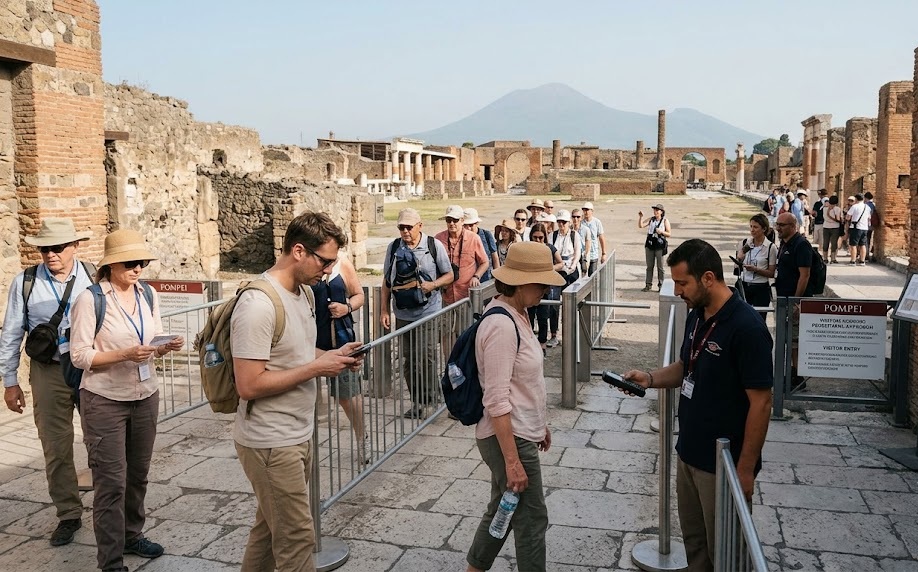
The archaeological site of Pompeii has introduced a daily visitor cap of 20,000 people, alongside personalised admission tickets.
The restrictions were introduced after visitor numbers reached record levels, including more than 36,000 visitors on a single day during a period of free admission.
The measures are intended to reduce pressure on the ancient ruins, improve crowd management and protect the archaeological site from excessive visitor traffic.
Capri Restricts Large Tour Groups
The island of Capri is also introducing controls to manage the large number of visitors arriving during peak tourist periods.
From summer 2026, organised tour groups are limited to 40 people. Groups exceeding 20 participants must use wireless audio systems rather than loudspeakers, while tour guides must follow additional identification and group-management rules.
The island attracts significant numbers of day-trippers, particularly during the summer season. Its narrow streets and limited public spaces make crowd management an important priority for local authorities.
Florence Introduces Restrictions in Historic Streets
Florence is taking a different approach by regulating commercial activity in its historic centre.
New rules introduced in 2026 restrict outdoor dining across 60 streets within the UNESCO-protected area. Another 73 streets face tighter requirements concerning outdoor restaurant setups, advertising and lighting.
The measures are designed to protect the appearance of historic streets, reduce obstructions and maintain public access in heavily visited areas.
Florence’s approach demonstrates that managing overtourism involves more than limiting visitor numbers. It also requires regulating how tourism businesses use public spaces.
Protecting Heritage While Supporting Tourism
Italy remains one of the world’s leading cultural tourism destinations, with 62 properties on UNESCO’s World Heritage List. Its historic cities, archaeological sites, monuments and cultural landscapes attract millions of international visitors every year.
However, high visitor concentrations can create pressure on historic buildings, transport systems, public infrastructure and residential communities.
Authorities are increasingly relying on timed-entry tickets, group-size restrictions, access fees and visitor monitoring to manage these challenges.
For travellers, these changes mean that spontaneous visits may become more difficult at certain attractions. Advance reservations, awareness of local regulations and flexible itineraries are becoming increasingly important.
Key Takeaways
- Italy is expanding visitor management measures to protect historic destinations.
- Venice continues to use selected-day access fees and restrictions on organised tour groups.
- Pompeii has introduced a daily visitor limit of 20,000 people.
- Capri limits organised tour groups to 40 participants.
- Florence has restricted outdoor dining across 60 historic streets, with additional regulations on 73 others.
- Timed-entry reservations and personalised tickets are becoming more common at major attractions.
- The measures aim to reduce overcrowding and protect cultural heritage.
- Travellers should check access rules and reserve tickets before visiting popular landmarks.
Bottom Line
Italy’s approach to tourism is increasingly focused on managing visitor pressure rather than simply attracting larger crowds. Restrictions across Venice, Pompeii, Capri and Florence show how destinations are using different policies to protect their historic character. For international travellers, planning ahead and respecting local access rules will be essential when exploring Italy’s most popular heritage sites.




More Stories
Middle East Travel Faces New Security Alerts
Marriott Lifts 2026 Revenue-Growth Forecast on Strong Travel Demand
U.S. Hotel RevPAR Jumps Nearly 10% in Late October as Demand Stays Strong