






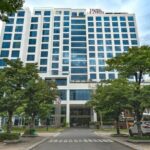




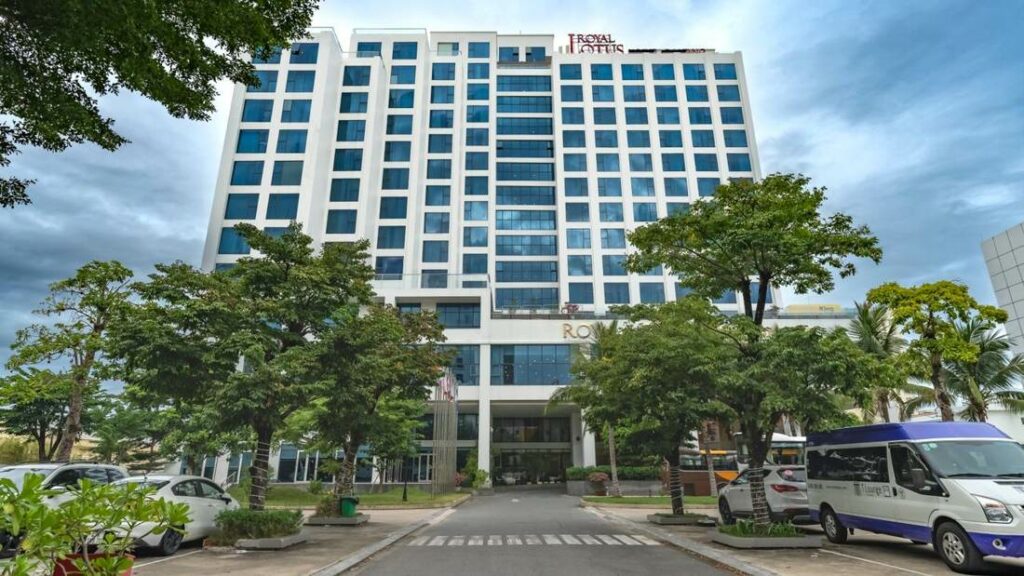
Aimbridge Hospitality has been selected to manage the Seattle Marriott Redmond.
Why owners hire third-party operators
A branded hotel needs a team that can run operations, hire and train staff, manage costs, handle sales and meet brand standards. Owners who are investors rather than hoteliers often hire a specialist. Experienced operators bring systems, purchasing power and a record of results.
Why Redmond
Redmond is a technology hub. Corporate travel, visiting engineers, vendor visits, training and events produce steady demand. A hotel near a major campus serves guests who book often and expect reliable service.
What a management change involves
When a new manager takes over, the transition usually includes:
- A review of staffing and costs
- Changes to sales and revenue management approach
- Systems and reporting alignment
- Brand standards and service training
The first six months decide how well it goes. Communication with staff and with local corporate accounts matters most in the early weeks.
Why this matters beyond one hotel
Large operators keep adding Pacific Northwest hotels. That tells us they see long-term demand in the region and want presence in it. For smaller operators and independent hotels, large managers bring more competition for talent, corporate accounts and group business.
For owners
If you are choosing a manager, look at the hotels they run now. Ask for results in similar markets and brand types, and speak to other owners about how the relationship works when things get hard.
What a management agreement covers
A management agreement sets out what the operator does, what it is paid, what the owner approves and how the relationship can end. Typical terms include a base fee, an incentive fee, a budget approval process, performance tests and a term with renewal options. For branded hotels there is usually a third party as well: the franchisor, whose standards the operator must follow.
For a hotel that carries a large brand name, bringing in a third-party manager means the owner gets the benefit of the brand’s distribution and the manager’s operating skills. The manager must meet the brand’s standards while delivering returns to the owner.
Why owners switch operators
Owners change managers when performance is below expectations, when costs are too high, when a sale or a refinancing calls for a new approach, or when they want a manager with more experience in a market or segment. A change can also come with a new ownership group or a renovation plan.
Why Redmond
Redmond sits in a technology corridor east of Seattle. Demand there tends to be driven by corporate travel tied to large employers, suppliers and visiting teams, with leisure in the weekends and summer. A hotel in that kind of market benefits from corporate relationships and strong weekday business, and from a manager that knows how to sell to that segment.
What a transition involves
- Legal and brand approvals. The brand must approve the new manager.
- Staff. Employees are often retained, but leadership and processes may change.
- Systems. Property management, accounting and revenue systems are moved over to the new manager’s platform.
- Contracts. Supplier, group and corporate contracts are reviewed.
- Communication. Guests, corporate accounts and partners are informed.
The first ninety days are when most problems appear. Owners should ask for a written transition plan with dates and responsibilities.
Why it matters beyond one hotel
Third-party management is a large part of the industry. Each new assignment adds to the operator’s scale, which affects its buying power and its capacity to hire. For owners, it shows that the market for managers is competitive. A good operator will win assignments on results.
Advice for owners
- Set measurable goals. Ask for targets on guest satisfaction, revenue share against competitors and cost per occupied room.
- Review regularly. Monthly meetings, quarterly reviews and an annual audit keep everyone aligned.
- Check the exit terms. Know how and when you can change managers.
- Keep the relationship professional. Open communication solves problems early.



More Stories
Chicago Hotel Strike Grows to 11 Hotels
Spire Hospitality Launches AI-Driven Strategic Asset Performance Division for Hotel Owners
HVS: U.S. Hotel RevPAR Up Over 10% Mid-September as Nearly 1,000 Hotels Sold in H1 2026