











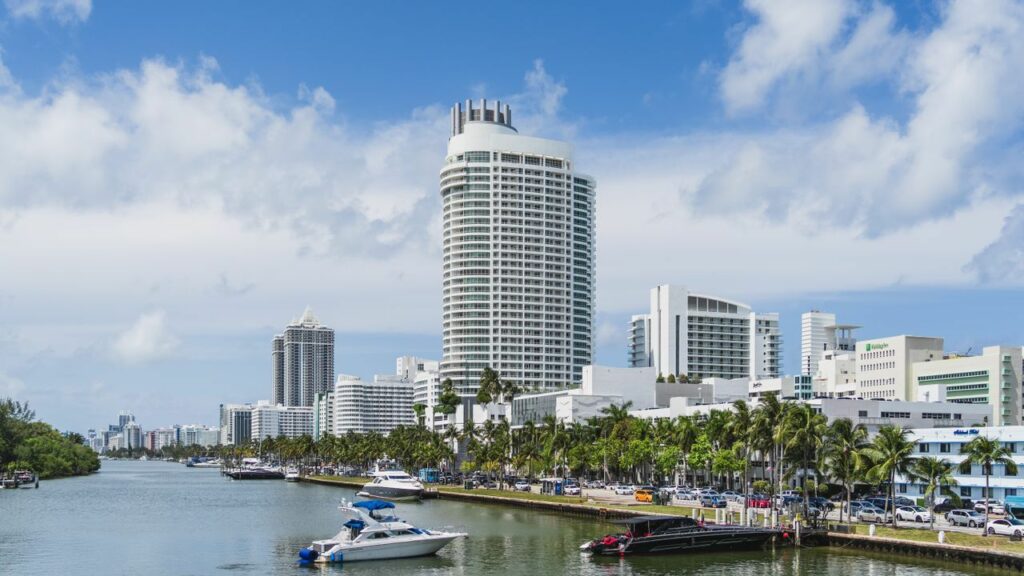
Gencom has acquired the InterContinental Miami, a 653-key waterfront hotel, from Strategic Hotels & Resorts.
Why large Florida hotels draw buyers
Miami combines international travel, leisure demand, events and a strong winter season. Waterfront hotels with hundreds of rooms are rare, and replacing one would be slow and costly. That scarcity supports value.
Private buyers in big deals
Large hotel trades were once seen as the domain of public REITs and global funds. A private company buying a 653-key property shows that private capital is also active at this size. Private buyers often move with more flexibility on structure and timing.
What a change of owner means for the hotel
A new owner often brings a renovation plan, a repositioning idea or a different approach to group and event sales. The flag may stay in place with the new owner, and the day-to-day guest experience may not change in the short term. The effects tend to show later, in capital projects and in how the hotel competes for group business.
Takeaways for operators
- Know who owns the hotel next door. A new owner with capital to spend can change the competitive set quickly.
- Large-key hotels need strong group sales. In Miami, meetings and events help fill shoulder seasons.
- Watch the cost of capital. Large deals depend on financing terms. Lower rates would help more trades happen.
Miami remains one of the strongest US hotel markets, and trades like this one reinforce that view for investors.
The anatomy of a large waterfront hotel sale
A 653-key hotel is a large asset with a complex operation: many rooms, large meeting space, several restaurants and a major location. Buying it means taking on a team, a brand agreement, a capital plan and a debt structure. Buyers of such assets spend significant time on due diligence: reviewing physical condition, brand terms, labor agreements, existing contracts and insurance, which is especially important in coastal Florida.
The Miami factor
Miami’s strengths are well known: international visitors, cruise and airport links, events, a strong leisure season and growing corporate presence. Its risks are also known: insurance costs, weather exposure and supply in popular submarkets. A buyer paying for a waterfront asset is accepting those risks in exchange for long-term location value, which is hard to replicate because waterfront land is limited.
What changes after a sale
Guests may see no difference on day one. Behind the scenes, however, the new owner reviews everything:
- Capital plan. Rooms, meeting spaces and systems may be scheduled for upgrades. Renovation periods can mean fewer rooms available.
- Management and brand. The new owner may keep the current operator and flag or change them. The brand agreement is a key part of the price.
- Sales strategy. New owners often reset group and corporate pricing, which affects local event planners and travel buyers.
- Staffing. Existing staff may be retained, but leadership may change.
What local operators should do
Nearby hotels should watch for a renovation, a repositioning or a rebrand, because each changes the competitive landscape. A refreshed large hotel can take group and event business from competitors. If you sell to groups, check whether your key accounts are in discussions with the new owner. If you run a smaller hotel, think about what the large property cannot do well: personal service, flexible rates, quiet and a neighborhood feel.
Lessons for private buyers
Private capital is a strong player in hotel deals of this size. Buyers who succeed have clear plans for operations, access to patient capital and flexibility on structure. They often work with an experienced operator and spread risk through partners. For owners of mid-sized hotels, this is a useful model: partner with specialists where you lack skills, and plan the capital improvements before you buy, not after.
The takeaway
Large trophy-style hotels will continue to trade in strong leisure markets. Each sale updates the value benchmarks for the whole market. Owners should follow the details as they emerge, including price per room, renovation plans and operator choices, and compare them with their own assumptions.



More Stories
DiamondRock Buys the 165-Room Carmel Mission Inn for $73.25 Million
Host Hotels & Resorts Buys Two Hotels for About $374 Million
GIC Acquires 16 Marriott-Operated Hotels in Japan for About $800 Million Amid Tourism Boom