









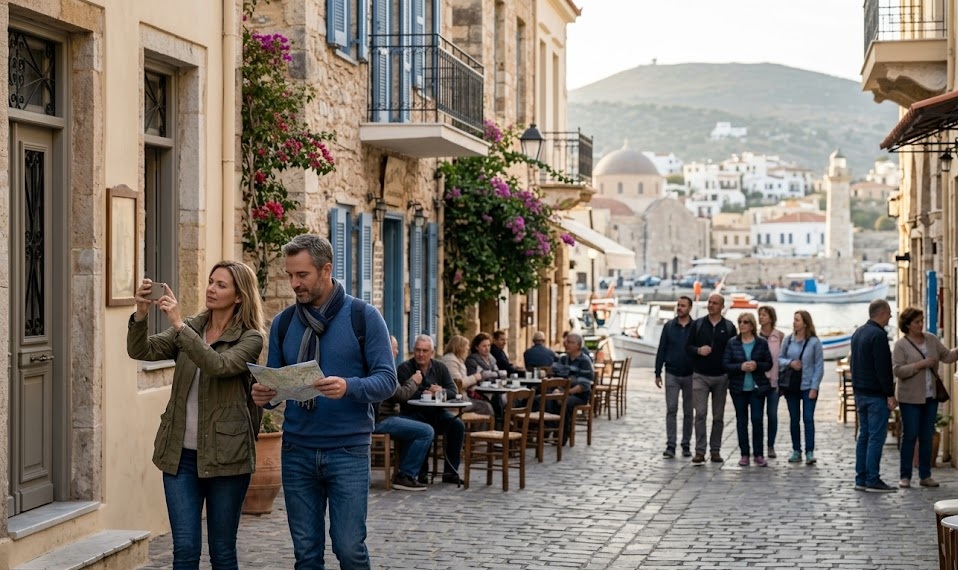
Italy is firmly joining Spain, Greece, Croatia, and Portugal at the front of Europe’s off‑season tourism boom, as Mediterranean‑style summers no longer define the region’s peak calendar. Driven by shoulder‑season heatwaves, remote‑work‑friendly itineraries, and cultural‑and‑wellness‑focused travel, Italy is seeing strong visitor numbers in spring and autumn, with selected mountain‑ and lakeside destinations even holding up through winter, turning what used to be “quiet periods” into sustainably profitable quarters for hotels and local operators.
Off‑season demand drivers
Italian cities and regions are attracting travelers beyond the traditional July–August crush by promoting milder‑weather breaks, gastronomy‑and‑wine routes, cultural festivals, and spa‑and‑thermal‑bath experiences, which appeal to both domestic and international visitors who want to avoid overcrowding and inflated summer prices. Coastal strips such as Tuscany, Puglia, and the Amalfi Coast now see extended shoulder‑season demand, while Lake Garda, Lake Como, and the Dolomites benefit from hiking, biking, and winter‑sports push‑into‑shoulder‑months patterns.
Spain, Greece, Croatia, and Portugal have led this year‑round‑Mediterranean model, using second‑home‑buyers, digital‑nomad‑focused visas, and targeted regional‑marketing campaigns to keep arrivals flowing in October–November and March–May. Italy is now mirroring that playbook, with national and regional tourism boards investing in off‑peak‑driven digital‑ads, event‑led calendars, and flexible‑rate packages that reward longer stays and last‑minute bookings.
Year‑round growth and stable profits
For hoteliers and hospitality operators, the result is higher occupancy and more predictable revenue in autumn and spring, which helps smooth out the classic “boom‑bust” summer cycle. With less dependency on one‑month frenzy, properties can invest in staff‑training, maintenance, and guest‑experience upgrades without the same pressure to maximize short‑term top‑line spikes, which in turn supports higher repeat‑visitor rates and better reviews.
Italy’s move into this year‑round‑Mediterranean framework also strengthens its position against Northern‑European competitors, which still rely more heavily on short‑season coastal and alpine demand, and positions Southern Italy, Sicily, and the Adriatic as four‑season‑style destinations rather than purely “summer‑only” playgrounds.
Key Points
- Italy is now joining Spain, Greece, Croatia, and Portugal in a Mediterranean‑driven off‑season tourism boom, with strong shoulder‑season and selected winter‑peak demand.
- The model is built on culture‑and‑wellness‑focused travel, food‑and‑wine itineraries, and remote‑work‑friendly stays, which keep visitors coming outside of peak summer weeks.
- Hospitality profits are becoming more balanced and resilient year‑round, as hotels shift from one‑season spikes to sustained, multi‑season occupancy and higher‑value, longer‑stay guests.
Bottom Line: By joining Spain, Greece, Croatia, and Portugal in the off‑season tourism surge, Italy is re‑shaping its visitor calendar into a year‑round opportunity, helping hospitality operators lock in steadier occupancy, higher lifetime‑value guests, and more sustainable growth beyond the traditional summer peak.




More Stories
Iran, Iraq, Lebanon, Syria, Yemen and Palestine Under Strict Level 4 “Do Not Travel” Warnings
United States Hotel Industry Enters a Powerful New Era as Guest Satisfaction Soars
Australia Warns Qatar and UAE Travelers as Doha Security Alert Escalates