









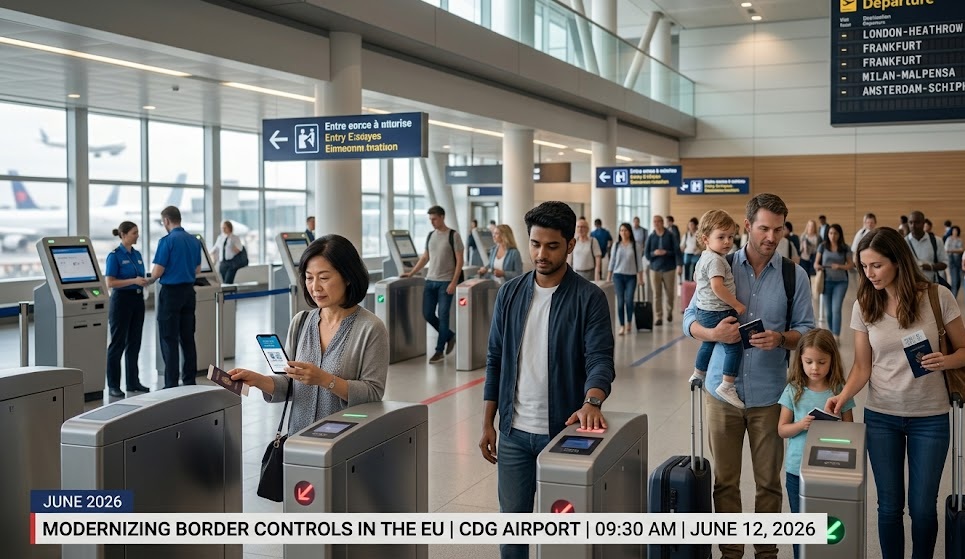
New Entry & Pre-Travel Authorization Systems
The EU’s Entry/Exit System (EES) will be fully implemented by April 10, 2026, tracking non-EU visitors through biometric data (photos and fingerprints) at borders. Passport stamps will be phased out, and travelers should expect longer border queues during initial rollout. Additionally, ETIAS (European Travel Information and Authorisation System) is scheduled to launch in late 2026, requiring visa-exempt travelers (from USA, Canada, UK) to obtain pre-travel authorization online for around €20, ideally applied for at least 72 hours before travel.
UK ETA Requirement
From February 25, 2026, visa-free visitors to the UK must obtain an Electronic Travel Authorisation (ETA) before travel, costing £16 and valid for 3 years. Without it, travelers will be denied boarding or entry. This mirrors similar systems already in place in Latvia (since September 2025) and upcoming ETAs for British Overseas Territories in late 2025/early 2026.
Higher Tourism Taxes & Fees
Multiple destinations are raising tourist taxes to manage overcrowding:
- Spain: Barcelona’s tourist tax rises to
- €5/night
- in 2026 (Mallorca may introduce taxes up to €15)
- Netherlands: VAT on accommodations increases from 9% to 21% from January 2026
- Venice: A €10 day-trip fee charged on weekends from April to July 2026
- UK: Edinburgh plans a 5% tourist tax from July 2026; Wales may introduce £1.30 per person per night tax from 2027
- Norway: A 3% tourist tax on overnight stays in certain municipalities
Airport & Air Travel Updates
- Italy: Airports in Rome, Milan, and Bologna will allow liquids over 100ml in hand luggage thanks to new scanners (not for transit passengers)
- France: Strict penalties for disruptive passengers with fines up to €20,000
- EU: Proposed rules may end extra charges for carry-on luggage on budget airlines, allowing one cabin bag + one personal item free
- **Pack
age Travel**: New EU rules strengthen traveler rights with faster refunds and clearer cancellation policies
Higher Museum & Attraction Fees
- France: From 2026, higher entrance fees for non-EU visitors at the Louvre (€32), Sainte-Chapelle (€22), Palace of Versailles (€35), and Château de Chambord (€31)
- Spain: Sagrada Família in Barcelona will build a dedicated selfie zone by April 2026 to manage crowds
- Italy: The Trevi Fountain in Rome will charge a €2 admission fee from January 2026
Stricter Border Controls & Event-Driven Crowds
Several Schengen countries will maintain temporary internal border controls in 2026, including Germany, Austria, France, and Italy. For Russian citizens, the EU has tightened visa rules, no longer issuing multiple-entry visas except for specific cases. Major events will drive additional crowds:
- Winter Olympics in Milan and Cortina, Italy
- 250th anniversary of the United States with nationwide celebrations
- 100th anniversary of Route 66 in the USA
What Travelers Should Do
- Apply for ETIAS, ETA, or ESTA well in advance (at least 72 hours before travel)
- Ensure passport is valid for more than 6 months on arrival
- Expect higher travel costs due to tourist taxes and dynamic pricing around major events
- Allow extra time for border checks due to EES implementation
- Stay updated via official government websites to avoid scams
Bottom Line: Europe in 2026 means more digital paperwork (ETIAS, ETA), higher costs (tourist taxes, museum fees), stricter border controls, and potential delays at checkpoints. Travelers should plan ahead, budget for extra fees, and allow more time for arrivals.



More Stories
Nepal Landslides Disrupt Tourist And Trekking Routes
Italy And Germany Help France Target Record Tourism Revenue
US, Canada And Mexico Reveal A Tourism Spending Divide