









At least 39 Australians are now unaccounted for after catastrophic flash floods and mudslides struck Nepal’s Himalayan border region, with the disaster also affecting travelers and pilgrims from dozens of other countries. The Australian government says it is urgently working to confirm the whereabouts and welfare of its citizens as rescue teams struggle to reach some of the hardest-hit areas.
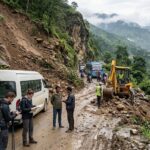
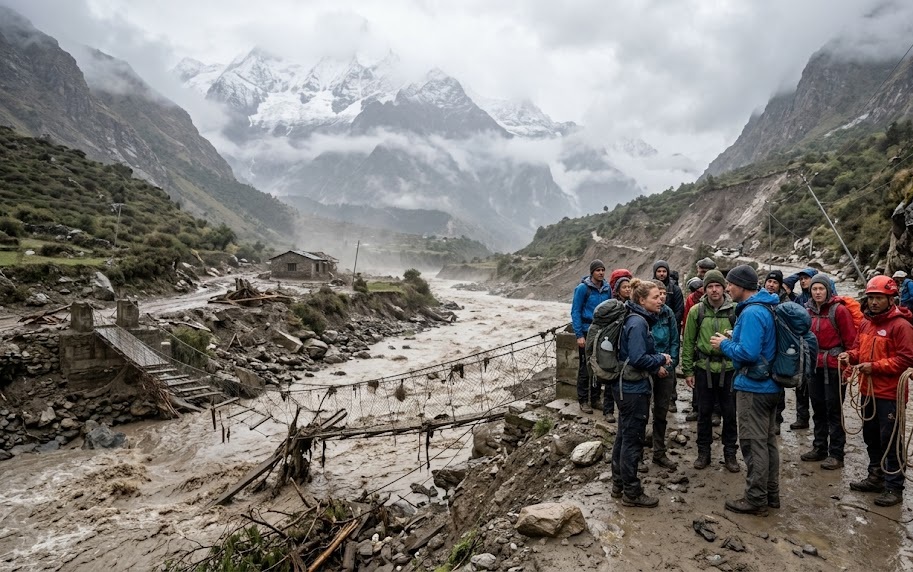
The disaster struck on August 26 near Nepal’s border with Tibet, sending a huge surge of water, mud, and debris through valleys and settlements along the Bhote Koshi and Trishuli river systems. Roads, bridges, buildings, transport routes, and other critical infrastructure were severely damaged, cutting communications and making it difficult for authorities to determine how many people remain trapped or missing.
39 Australians Remain Unaccounted For
Australian authorities have confirmed that the number of missing Australians has risen to 39, including people traveling in organized trekking and pilgrimage groups as well as Australians traveling independently. Several were visiting the region as part of journeys toward Mount Kailash and Lake Manasarovar, while others were trekking in the Langtang area.
One tour group operated by Himalayan Glacier included 15 Australian travelers, all Indian-Australians, with the youngest reportedly an 11-year-old boy. Other Australians were traveling with separate tour operators, making the search more complicated as authorities work to establish the location and safety of each group.
Tourism Route Becomes a Disaster Zone
The affected area is normally an important destination for trekkers, pilgrims, and adventure travelers, particularly those traveling through Nepal toward Tibet. The sudden flooding transformed established travel corridors into dangerous areas, leaving roads blocked and communications disrupted.
The scale of destruction has made traditional search-and-rescue operations extremely difficult. Damaged roads, destroyed bridges, unstable terrain, and continuing risks from flooding and landslides are limiting access to some locations where tourists were last known to be present.
Hundreds of Foreign Travelers Are Missing
The crisis extends far beyond Australia. Nepal’s latest official figures listed 627 foreign nationals affected in the Bhote Koshi River area, with 596 still missing as of August 27. The list includes nationals from India, the United States, Malaysia, Ukraine, the United Kingdom, Canada, China, Australia, and numerous other countries.
The numbers remain fluid as governments and local authorities attempt to reconcile tourist records, tour-group lists, border information, and reports from families. More than 1,000 people across Nepal and Tibet have been reported missing, making this an international tourism and humanitarian emergency.
Australian Government Expands Consular Response
Australia has increased its consular response, deploying additional personnel and crisis specialists to help establish the whereabouts of missing citizens and support affected families.
Australian travel authorities are also advising travelers to avoid flood-affected areas, stay away from rivers and low-lying locations, and postpone overland travel between Nepal and Tibet, including Mount Kailash and Lake Manasarovar routes. Transport services may remain disrupted while infrastructure is repaired.
A Major Warning for Himalayan Tourism
The disaster is highlighting the vulnerability of Himalayan tourism to sudden natural hazards. Popular trekking and pilgrimage routes often pass through narrow valleys, river corridors, remote mountain roads, and areas with limited emergency infrastructure, meaning a major flood or landslide can isolate travelers within minutes.
For tour operators, airlines, travel agencies, and destination authorities, the incident underscores the importance of early-warning systems, emergency communication, evacuation planning, and real-time traveler tracking in remote tourism regions.
Key Takeaways
- 39 Australians remain unaccounted for following catastrophic flooding in Nepal and the Himalayan border region.
- The disaster has affected tourists, trekkers, and religious pilgrims from dozens of countries.
- Nepal’s latest official figures listed 596 foreign nationals still missing in the affected Bhote Koshi River area.
- Mount Kailash, Lake Manasarovar, and Langtang-related travel routes were among the areas affected by the disaster.
- Floods and mudslides severely damaged roads, bridges, buildings, transport networks, water supplies, and electricity infrastructure.
- Australian authorities are deploying additional resources while families wait for information about missing travelers.
- Travelers are being urged to avoid affected areas and postpone overland journeys between Nepal and Tibet until conditions improve.
Bottom Line
Nepal’s devastating Himalayan floods have turned a popular trekking and pilgrimage region into a major international search-and-rescue operation, with 39 Australians among the travelers still missing. The disaster demonstrates the extreme risks that can emerge suddenly in remote mountain destinations, while the widespread infrastructure damage is making rescue efforts even more difficult. As authorities continue searching for survivors and accounting for missing tourists, the crisis is likely to have a significant impact on Himalayan travel and tourism safety planning in the months ahead.



More Stories
GIC Acquires 16 Marriott-Operated Hotels in Japan for About $800 Million Amid Tourism Boom
HVS: U.S. Hotel RevPAR Up Over 10% Mid-September as Nearly 1,000 Hotels Sold in H1 2026
Choice Hotels to Acquire Harvest Hosts for ~$130M, Expanding Into RV and Outdoor Travel