








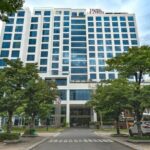




Chicago-based Atira Hotels has taken over management of the 285-room Sheraton West Des Moines. The hotel is a full-service property, and it joins Atira’s portfolio.
Regional operators are growing
Large national managers get most of the headlines. Regional companies also grow, often by winning contracts in nearby states where they know the market, the staff and the clients. Atira’s move into Des Moines from Chicago follows that pattern.
What a full-service hotel needs
A 285-room full-service hotel runs on more than rooms. It has meeting space, a ballroom, restaurants and a bar, and a sales team that must keep groups and events coming. Revenue from food, beverage and events can be a large share of the total, and it needs strong local relationships.
Why management changes happen
Owners change managers when they want better results: higher revenue, better guest scores, lower costs or a closer relationship. A new manager arrives with a plan and a team. The hotel’s brand, here Sheraton, stays in place under the franchise agreement.
What makes a transition succeed
- Keep the best people. Staff who know the hotel and its guests are hard to replace.
- Protect booked business. Tell group clients what is changing and what is not.
- Set clear goals. Owner and manager should agree on targets in the first months.
- Move carefully on systems. Changing technology all at once creates errors that guests notice.
Owners reviewing their own management contracts can use these steps as a checklist.
What a regional operator offers
A regional management company usually has a smaller team, closer owner contact and deeper local knowledge than a national firm. Decisions can be made faster. General managers often have direct access to senior leadership. Owners value that, particularly for full-service hotels, where the daily judgment calls are many.
The tradeoff is scale. A smaller operator may have less purchasing power and fewer technology resources. Owners should ask how the operator closes that gap, through group purchasing arrangements, shared services or partnerships.
The full-service challenge
A 285-room full-service hotel has meeting space, a restaurant and bar, banquet operations and often a large associate team. It has more moving parts than a select-service hotel, and margins are thinner when any part underperforms. The operator needs strong food and beverage leadership, a capable sales team for group business and tight cost control.
In a market like West Des Moines, demand comes from corporate and insurance and financial-sector activity, regional events and weddings, and leisure around the Des Moines metro. A full-service hotel that wins local social and corporate events, as well as hotel guests, has a more stable base.
Why owners change operators
Common reasons include a gap between hotel performance and the market, rising costs, a desire for more attention than the current operator gives, or a change in ownership strategy. A new operator brings fresh energy and a reset, but it also brings the risk of disruption.
What makes a transition succeed
- Keep the strongest people. Retain key department heads who know the guests and the building.
- Be clear on goals. Agree on revenue, cost and guest satisfaction targets in the first month.
- Communicate with guests and groups. Reassure upcoming events that service will continue.
- Fix the basics first. Cleanliness, speed of service and reliability matter more than new ideas in the first quarter.
- Review at ninety days. Compare results with plan, adjust staffing and set priorities for the year.
Takeaways for owners
Check whether your operator’s strengths match your hotel’s needs. A hotel with heavy group business needs sales and banquet strength. A hotel in a corporate market needs a strong relationship with local employers. Review performance against your competitive set each quarter, and be willing to talk early if results slip.
What it signals
Regional operators continue to grow by winning contracts from owners who want closer attention. As large companies consolidate, mid-size firms with a strong reputation and clear niche are well placed to pick up business from owners who feel overlooked.



More Stories
Aimbridge Hospitality Selected to Manage the Seattle Marriott Redmond
Chicago Hotel Strike Grows to 11 Hotels
Spire Hospitality Launches AI-Driven Strategic Asset Performance Division for Hotel Owners