










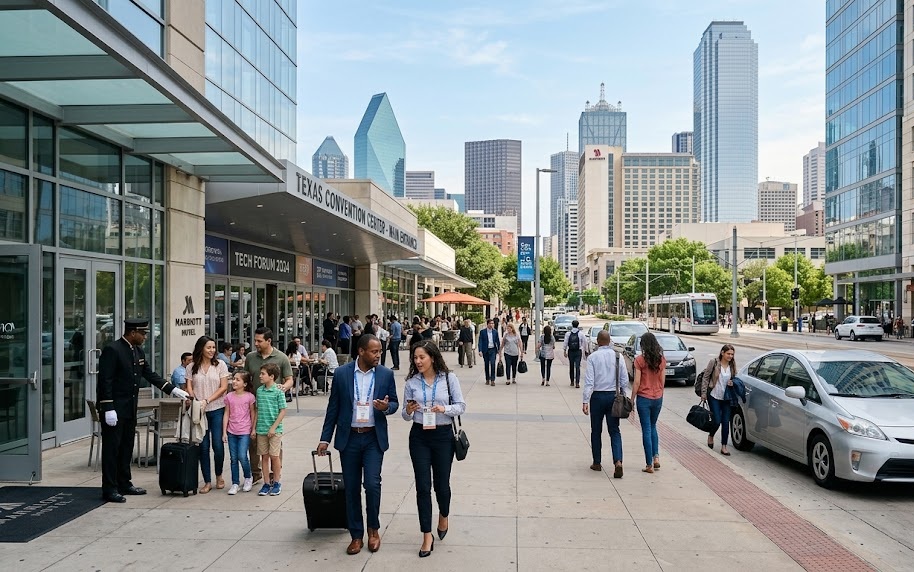
A State‑Wide Makeover, Not Just a Single City Story
Texas is no longer relying on just Houston, Dallas or Austin to carry its travel image. Instead, the state is rolling out a coordinated, statewide push that treats tourism as a shared economic engine, aligning major hubs like Dallas, Arlington, Houston and Austin with emerging destinations across the region. The result is a travel boom that feels both big and deliberate: more hotels, bigger events, upgraded airports, and a new emphasis on experiences that go beyond the usual conventions and business trips. This is not a flash in the pan; it is a long‑term recalibration of how Texas wants to be seen and visited.
Dallas, Arlington, Houston, Austin: The Core of the New Texas Model
Dallas is leading the charge with a wave of new luxury hotels, high‑profile events and infrastructure upgrades that make it a full‑service destination for luxury, sports and culture. Arlington is leveraging its huge entertainment complex—sports stadiums, theme parks and event venues—to draw visitors who want a mix of thrill and convenience. Houston is positioning itself as a global gateway, capitalizing on international flights, business travel and its role as a hub for energy, medicine and culture. Austin is balancing its tech and music identity with a high‑end hospitality scene, from boutique hotels to luxury resorts that cater to both creative travelers and affluent families. Together, these cities form a “Texas tourism network” that encourages visitors to move between multiple destinations rather than stop in one place.
Hospitality, Events and Infrastructure: The Real Engine of Growth
The boom is fueled by a massive expansion in hospitality and events. Texas is seeing a surge in new hotel openings, luxury resorts and boutique properties, especially in Dallas, Austin and the Gulf Coast. The state is also investing heavily in stadiums, concert venues, convention centers and festival spaces, turning cities into year‑round destinations for sports, music and culture. Infrastructure upgrades—new airport terminals, expanded rail links and improved road networks—are making it easier for travelers to move between cities and regions. This coordinated approach is helping Texas attract more international visitors, larger corporate events and high‑end leisure travelers who are willing to spend more and stay longer.
Why Texas Is Redefining U.S. Tourism
Texas is redefining tourism in the United States by combining scale, variety and a clear strategy. The state has a huge regional footprint, with world‑class cities, sprawling natural areas, and a mix of culture, business, sports and entertainment that few other places can match. By aligning its major cities and supporting them with infrastructure, events and hospitality growth, Texas is creating a travel model that encourages multi‑city itineraries instead of single‑destination trips. The result is a record‑breaking boom that is not just about more visitors, but about higher‑quality, higher‑spending travelers who are choosing Texas not just for a weekend, but for an extended, multi‑city experience. This is how Texas is quietly becoming one of the most powerful and distinctive tourism regions in the country.
Key Points
- Statewide tourism strategy – Texas is aligning Dallas, Arlington, Houston, Austin and other cities into a coordinated travel network.
- Dallas leads with luxury hotels and events – New high‑end properties, sports, and cultural events are driving growth.
- Arlington, Houston, Austin play distinct roles – Entertainment, global gateway, and tech‑music luxury respectively.
- Massive hospitality and infrastructure expansion – New hotels, resorts, stadiums, venues, airports and transport links.
- Multi‑city itineraries are the new model – Travelers are encouraged to visit multiple Texas cities in one trip.
- Higher‑spending, longer‑stay visitors – The boom is driven by quality, not just quantity of tourists.
Bottom Line
Texas is quietly creating a record‑breaking travel and hospitality boom by aligning Dallas, Arlington, Houston, Austin and other cities into a coordinated tourism network. The state is expanding hotels, venues, airports and events to support multi‑city trips, attracting higher‑spending, longer‑stay travelers. This strategic, statewide approach is redefining how the U.S. experiences tourism, with Texas emerging as one of the most powerful and distinctive travel regions in the country.



More Stories
GIC Acquires 16 Marriott-Operated Hotels in Japan for About $800 Million Amid Tourism Boom
Spire Hospitality Launches AI-Driven Strategic Asset Performance Division for Hotel Owners
HVS: U.S. Hotel RevPAR Up Over 10% Mid-September as Nearly 1,000 Hotels Sold in H1 2026