










Major Restoration of Hagia Sophia Dome Amid Earthquake Preparedness Push
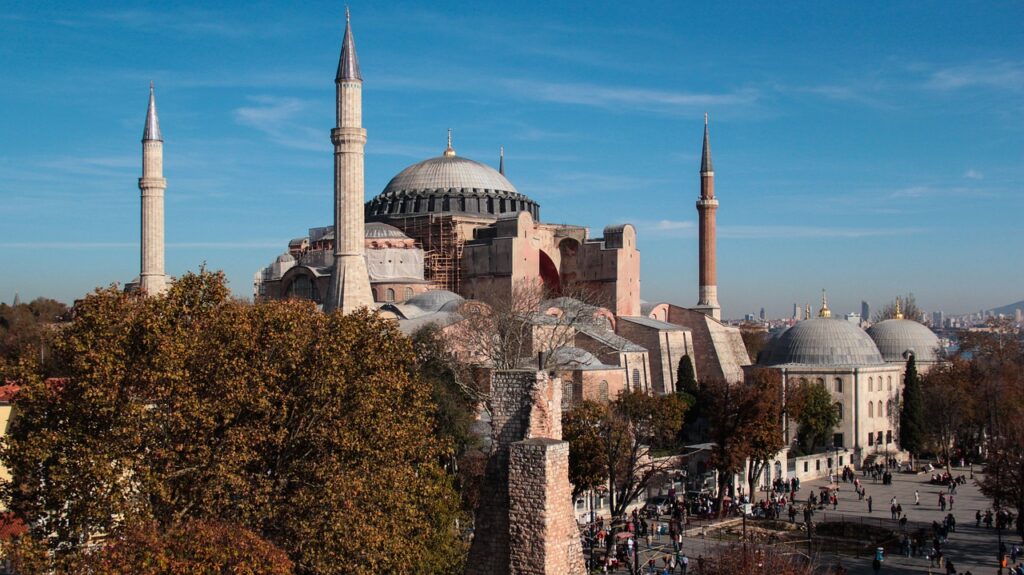
Turkey has begun a large-scale restoration project on the 1,486-year-old Hagia Sophia’s dome, marking one of the most significant structural interventions in its history.
The work will reinforce the UNESCO-listed monument against earthquakes, a critical priority in a country crisscrossed by seismic fault lines.
The dome’s lead cover will be removed to assess and address weaknesses identified through earthquake simulations, with the structure remaining open to visitors and worshippers during repairs.
Historical and Structural Challenges
Originally built as a cathedral in 537 CE, Hagia Sophia served as a mosque after 1453 and was secularized into a museum in 1935 before reconversion to a mosque in 2020. Experts note the dome’s restoration is fraught with uncertainties, as hidden structural issues may emerge once the lead covering is lifted.
This will open an important page in Hagia Sophia’s history,” said Byzantine art historian Asnu Bilban Yalcin, emphasizing the complexity of preserving layers of Byzantine and Ottoman heritage.
Key Restoration Steps:
- Protective Covering: A temporary shield will safeguard the dome during initial work.
- Lead Removal: The existing lead layer, added during past repairs, will be stripped to expose underlying vulnerabilities.
- Seismic Reinforcement: Focus on weak points identified in earthquake resilience tests.
- Open Access: The site will remain operational, complicating logistics but ensuring continued cultural and religious access.



More Stories
GIC Acquires 16 Marriott-Operated Hotels in Japan for About $800 Million Amid Tourism Boom
Hilton, Accor, Wyndham CEOs Split on AI Jobs as Voice Agents Lift Hotel Bookings
Choice Hotels to Acquire Harvest Hosts for ~$130M, Expanding Into RV and Outdoor Travel