










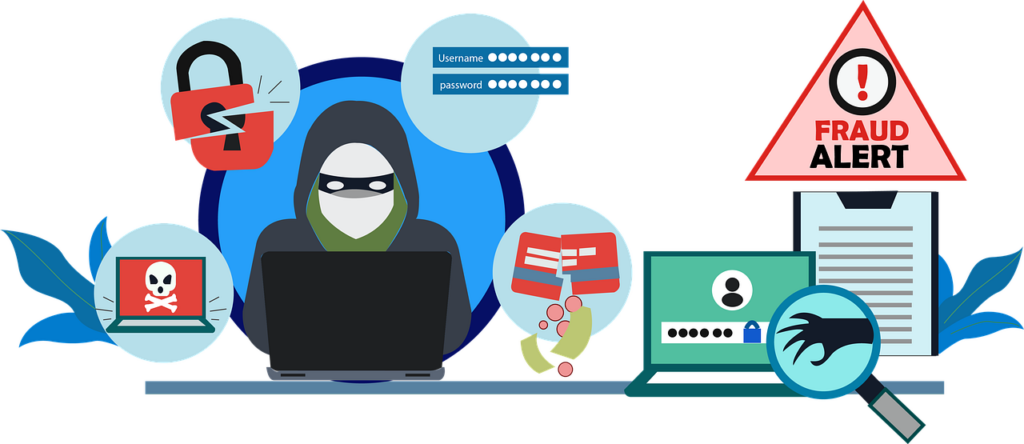
Recent reports reveal that fraudsters have successfully stolen approximately £370,000 from over 500 holidaymakers in the UK by executing a sophisticated phishing attack targeting hotel accounts on Booking.com. The criminals have been sending out fraudulent emails that appear to be from Booking.com, prompting victims to provide payment and credit card details. Unfortunately, many unsuspecting customers complied, believing they were settling payments for their reservations.
Police investigations have confirmed that the compromise did not originate from Booking.com itself. Instead it stemmed from a breach in hotel accounts on the platform. A spokesperson from Booking.com emphasized their commitment to customer security, noting that they would never ask for sensitive information via email or other messaging platforms. The rise in phishing scams highlights the need for heightened vigilance among consumers, especially those who have reservations through online travel agencies.
Adam Mercer, Deputy Head of Action Fraud, urged travelers to be cautious and to unexpected emails or messages from hotels, as these may indicate that their accounts have been hacked. This incident serves as a stark reminder of the increasing sophistication of cybercrime and the importance of safeguarding personal information in the digital age.
As the hospitality industry grapples with cybersecurity issues, both consumers and businesses must remain proactive in protecting against such deceptive practices.



More Stories
Spire Hospitality Launches AI-Driven Strategic Asset Performance Division for Hotel Owners
HVS: U.S. Hotel RevPAR Up Over 10% Mid-September as Nearly 1,000 Hotels Sold in H1 2026
Hilton, Accor, Wyndham CEOs Split on AI Jobs as Voice Agents Lift Hotel Bookings