










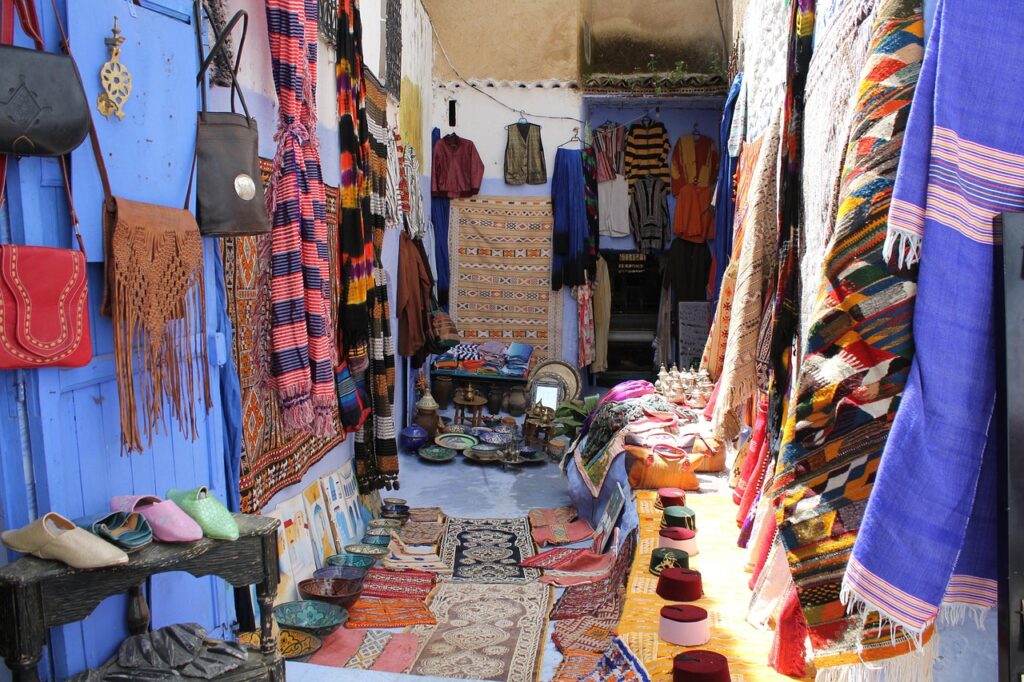
Morocco is experiencing another record-breaking year for tourism in 2026, with international arrivals, hotel stays, air connectivity, and tourism revenues all moving strongly higher. The country welcomed nearly 9.4 million visitors during the first half of 2026, an increase of 6% year on year, reinforcing Morocco’s position as one of Africa’s fastest-growing international tourism destinations.
The momentum is being supported by strong demand from France, Germany, Belgium, the Netherlands, the United States, Poland, and other major markets. At the same time, destinations including Marrakech, Agadir, Dakhla, Ouarzazate, Rabat, and Casablanca are benefiting from rising visitor demand, helping spread tourism growth beyond Morocco’s traditional hotspots.
Marrakech and Agadir Continue to Lead
Marrakech remains one of Morocco’s most powerful tourism engines, with overnight stays increasing 10% during the first half of 2026. The city continues to attract international visitors with its historic medina, luxury hotels, cultural experiences, restaurants, and proximity to the Atlas Mountains.
Agadir is performing even more strongly, recording an 11% increase in overnight stays. Its combination of Atlantic beaches, resort accommodation, mild weather, and growing international connectivity is helping it appeal to both traditional European holidaymakers and travelers seeking longer leisure breaks.
Dakhla Emerges as a New Tourism Star
While Marrakech and Agadir remain established leaders, Dakhla is increasingly emerging as an important alternative destination. The southern coastal city has developed a growing reputation for water sports, particularly surfing and kitesurfing, while its combination of desert landscapes and Atlantic coastline gives it a distinctive tourism proposition.
Dakhla’s growing popularity is also helping Morocco diversify its tourism offering beyond traditional cultural cities and beach resorts. Improved domestic air connections are making the destination easier to reach, while its cooler September climate is attracting travelers looking for an alternative to Europe’s hotter summer destinations.
Tourism Revenue Is Growing Faster Than Arrivals
One of the most significant developments is the pace of tourism revenue growth. Travel receipts reached MAD 64.9 billion by the end of June 2026, representing a 15.9% increase compared with the same period a year earlier.
That growth is substantially faster than the 6% increase in visitor arrivals, suggesting that Morocco is generating greater economic value from its expanding tourism industry. By the end of July, travel revenues had climbed further to approximately MAD 79 billion, up 13.4% year on year.
Air Connectivity Fuels the Tourism Boom
Morocco’s expanding aviation network is playing a central role in the country’s tourism growth. Moroccan airports handled 22.28 million passengers during the first seven months of 2026, an 8.77% increase compared with the same period in 2025. International passenger traffic rose 8.82%.
Marrakech-Menara handled more than 6.4 million passengers, while Agadir-Al Massira processed approximately 2.18 million during the period. The growth in airport traffic is helping Morocco convert international interest into actual visitor arrivals and making more destinations accessible to overseas travelers.
European and Long-Haul Markets Strengthen Demand
European travelers remain the backbone of Morocco’s international tourism market. Arrivals from France increased 9%, while Germany rose 14%, Belgium 9%, and the Netherlands 10%.
Other markets are also gaining momentum. Polish arrivals jumped 32%, while visitors from the United States increased 9%. This diversification is strategically important because it allows Morocco to expand beyond its traditional source markets and build a broader international tourism base.
More Destinations Are Benefiting
Morocco’s tourism boom is increasingly spreading across the country. Overnight stays rose 23% in Ouarzazate and 20% in Rabat, while Casablanca and Tangier each recorded 11% growth. Fes, Essaouira, Errachidia, and Al Haouz also posted increases.
This broader distribution could help Morocco manage tourism pressure in its most famous destinations while directing more visitor spending toward emerging cities and regions. It also gives travelers more reasons to build longer, multi-destination itineraries across the country.
Morocco Targets Even Bigger Growth
The strong 2026 performance follows a record 2025, when Morocco welcomed nearly 20 million tourists. The country is now targeting 26 million tourists by 2030, with aviation capacity, market diversification, investment, tourism promotion, and technology forming important parts of its growth strategy.
With international air capacity continuing to expand and new markets being targeted, Morocco is positioning itself not simply as a North African holiday destination but as a major global tourism competitor.
Key Takeaways
- Morocco welcomed nearly 9.4 million visitors during the first half of 2026, representing a 6% year-on-year increase.
- Travel revenues reached MAD 64.9 billion by June and approximately MAD 79 billion by July, demonstrating exceptionally strong tourism spending growth.
- Marrakech recorded 10% growth in overnight stays, while Agadir increased by 11%.
- Dakhla is emerging as a fast-growing tourism destination, particularly for surfing, kitesurfing, coastal experiences, and desert tourism.
- Moroccan airports handled more than 22.28 million passengers in the first seven months of 2026, up 8.77% year on year.
- Germany, France, Poland, the United States, Belgium, and the Netherlands are among the markets driving international demand.
- Morocco is increasingly diversifying tourism beyond its traditional hotspots, with destinations such as Ouarzazate and Rabat also recording substantial growth.
- The country is targeting 26 million tourists by 2030, supported by expanded air connectivity and new international markets.
Bottom Line
Morocco’s tourism industry is entering a powerful new phase in 2026, combining record visitor growth with an even stronger surge in tourism revenues. Marrakech and Agadir remain major engines of demand, while Dakhla and other emerging destinations are expanding Morocco’s tourism map. With nearly 9.4 million visitors already recorded by June, rapidly growing airport traffic, and travel revenues approaching MAD 79 billion by July, Morocco is strengthening its position as one of the world’s most promising tourism growth markets.



More Stories
Hotels Adopt GenAI; Few Cut Manual Work
Mexico Sets Tourism Records Through July 2026
European Travel Demand Stayed Resilient This Summer